Wanderound
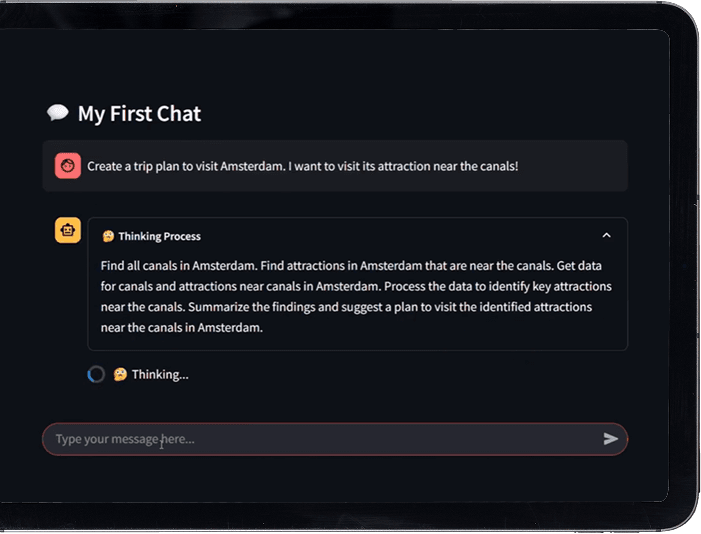
Simple Agentic LLM assistant for planning trip with Overpass API
Plan like a local,
not like an algorithm.
Simple Agentic LLM assistant for planning trip with Overpass API
Plan like a local,
not like an algorithm.
Problem
Planning a trip to a new city usually means juggling Google Maps tabs, scrolling through listicles, and still ending up with a route that makes no geographic sense. You want to visit 15 places—but they're scattered, the order is inefficient, and you waste half your day in transit instead of actually exploring.
Traditional routing tools choke on this. The math behind optimal routing (the Traveling Salesperson Problem) is computationally brutal at city scale. And most AI travel assistants? They just spit out generic "top 10" lists without understanding how places cluster together—how a morning in Blok M can naturally flow into an afternoon in Kemang, because that's how the city actually works.
Solution
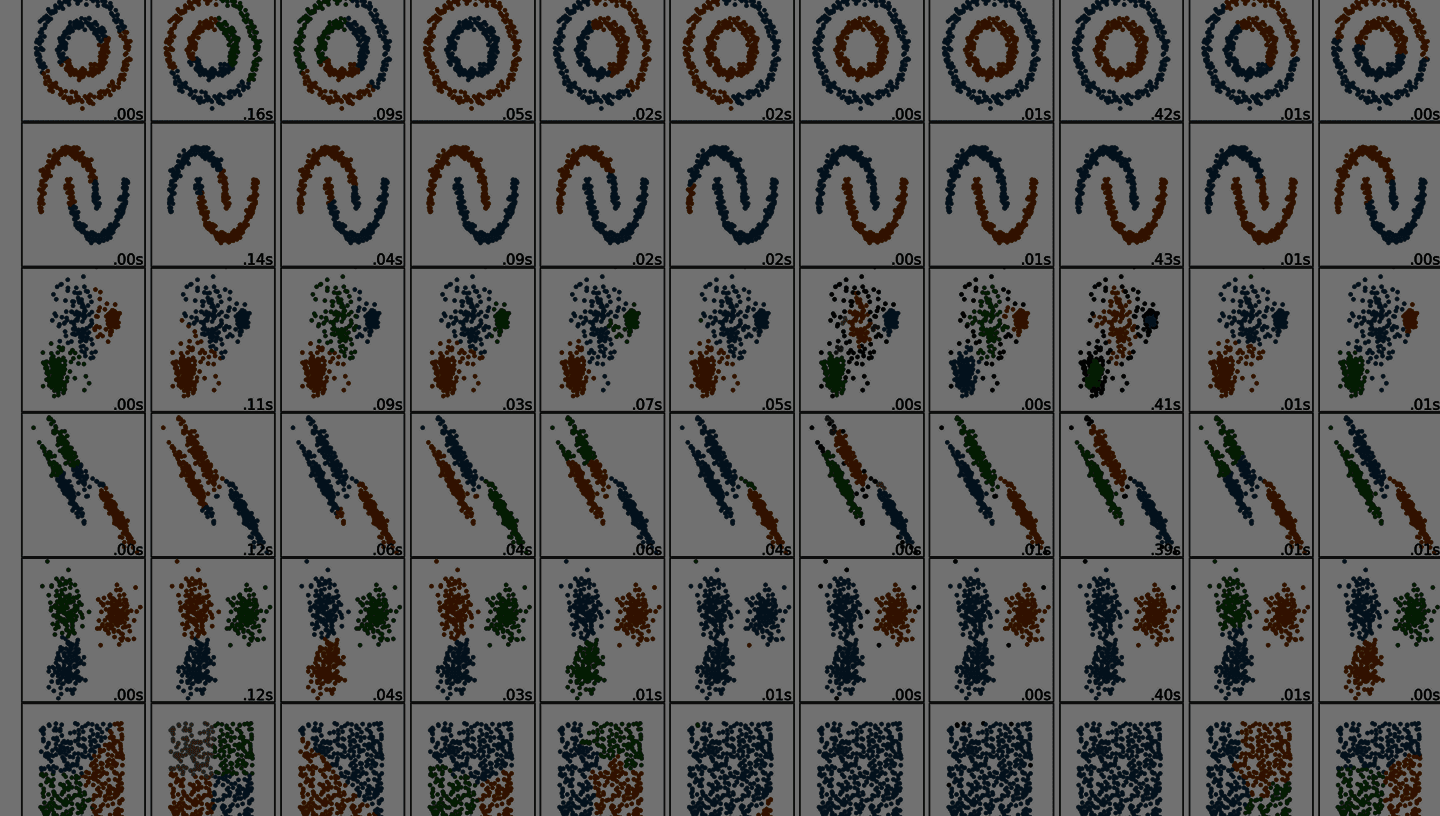
Wanderound uses agentic AI to generate tour itineraries that respect how cities are actually structured. It pulls real point-of-interest data from OpenStreetMap via Overpass API, clusters locations using density-based algorithms (HDBSCAN) that adapt to varying urban density, then builds routes that make spatial sense.
The result: itineraries grouped by neighborhood, not random pins. Routes you can actually walk. Recommendations that feel like they came from someone who knows the city—not a database query.
Features
- Density-aware clustering
Uses HDBSCAN to group POIs based on how cities actually work—adapting to dense downtown areas and sparse outskirts alike - City-to-province scale
Handles thousands of points of interest across entire metropolitan regions, not just single neighborhoods - Real geographic data
Pulls live POI data from OpenStreetMap via Overpass API—restaurants, landmarks, attractions, all of it - Neighborhood-based itineraries
Routes built around clusters you can actually explore on foot, not random pins scattered across the map - Runs on free-tier AI
Powered by Gemini-2.0-flash-thinking—no expensive API costs, no vendor lock-in - Open source
Full codebase available on GitHub. Inspect it, fork it, improve it